
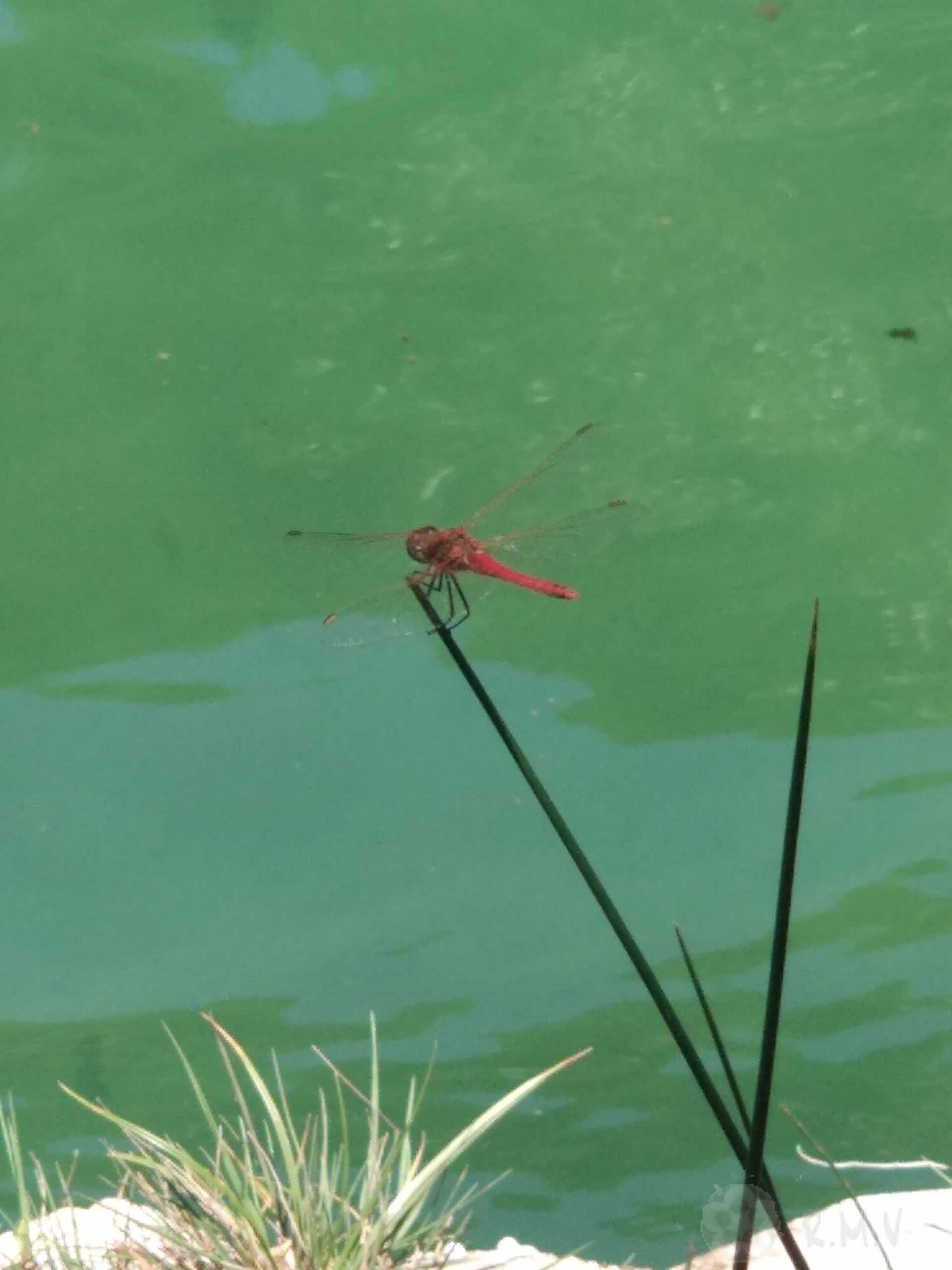
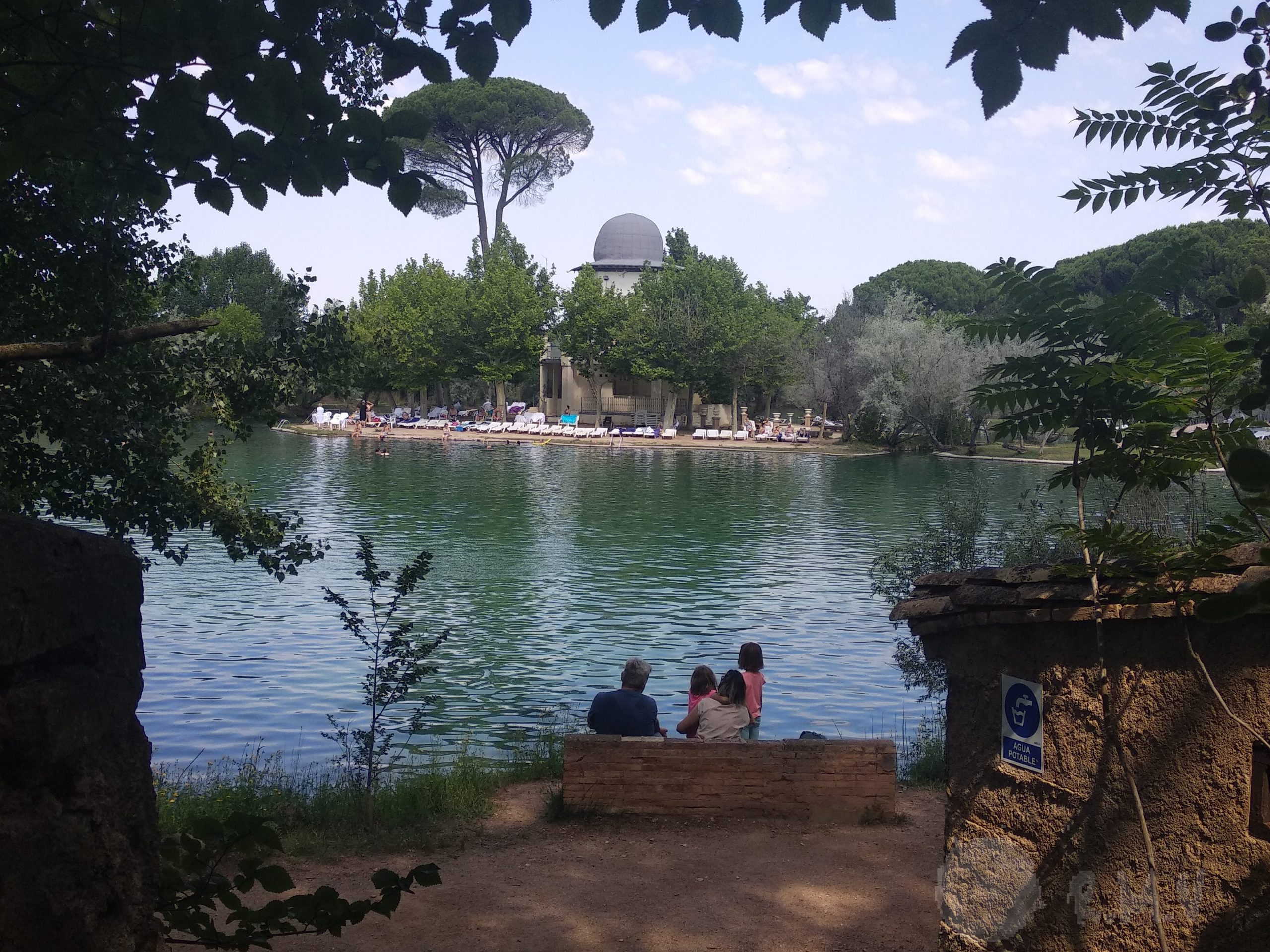
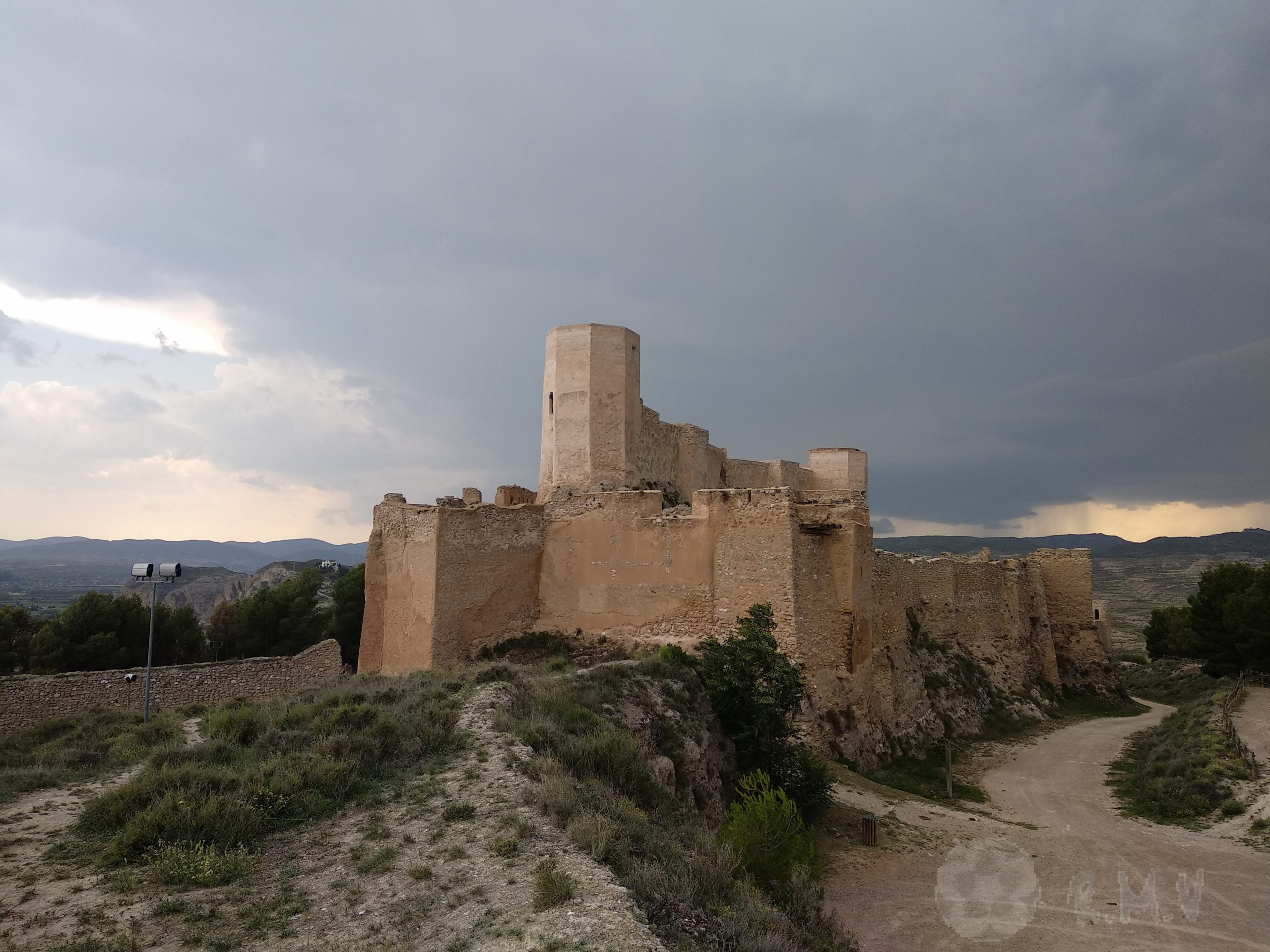
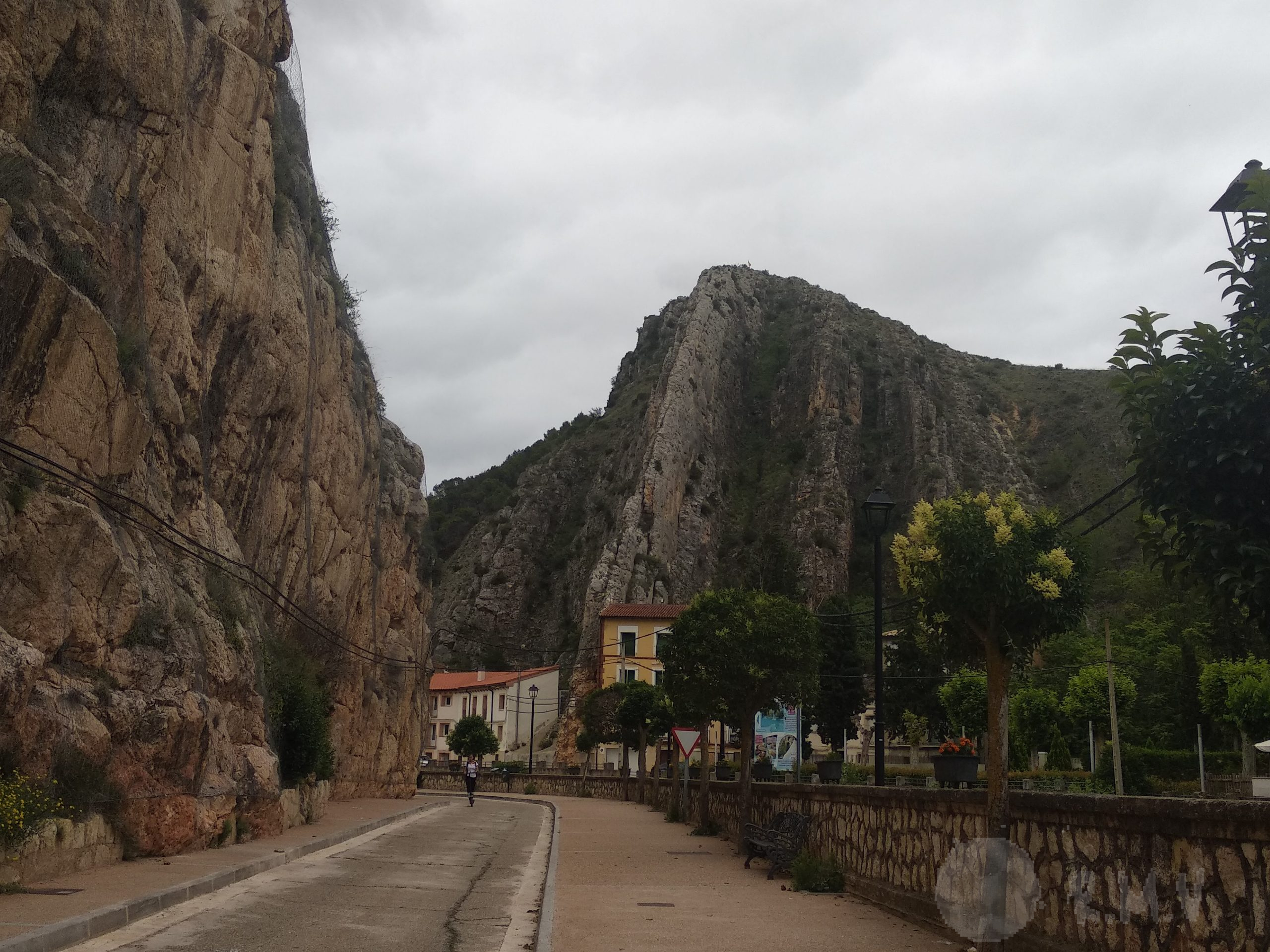
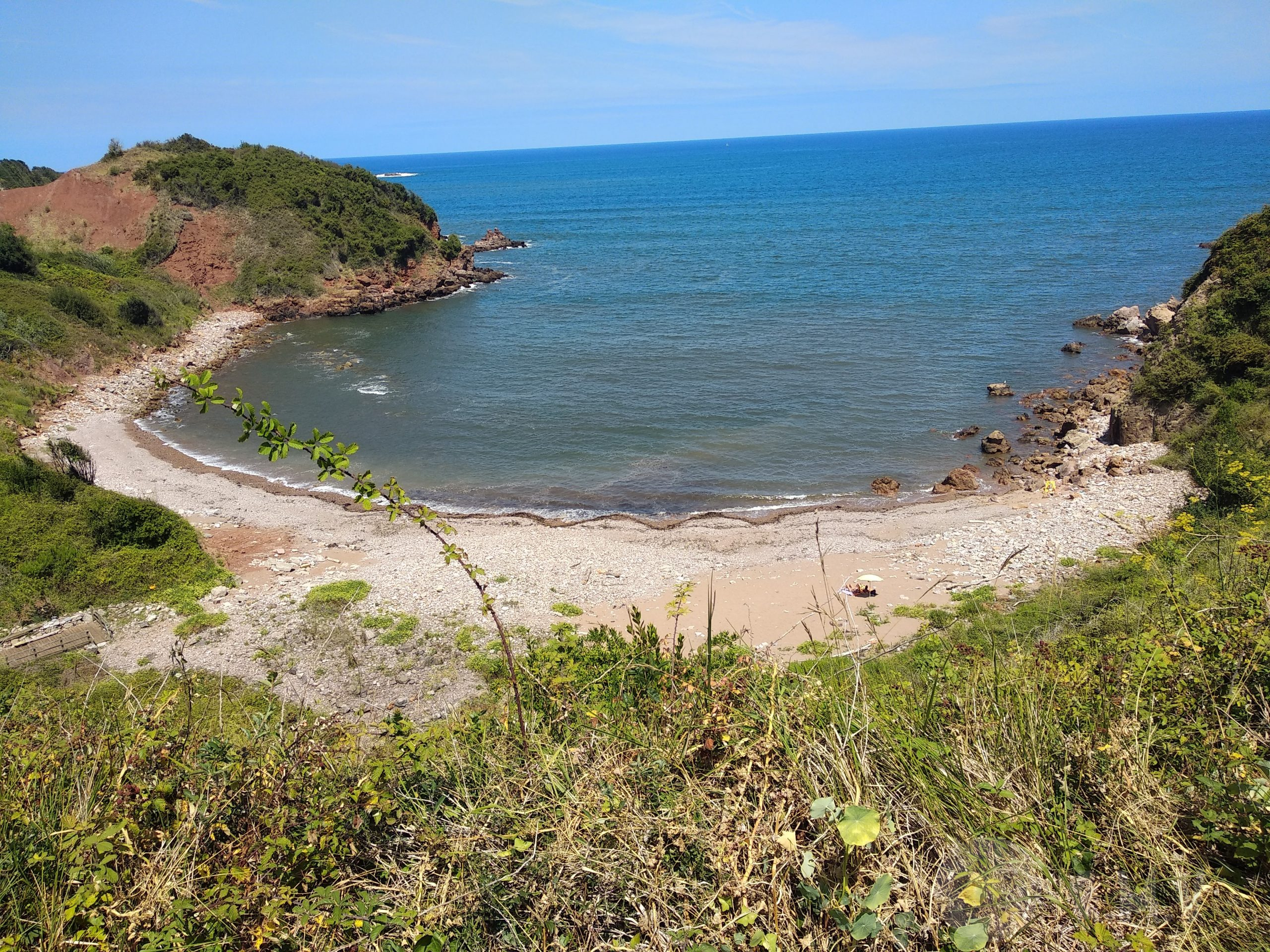
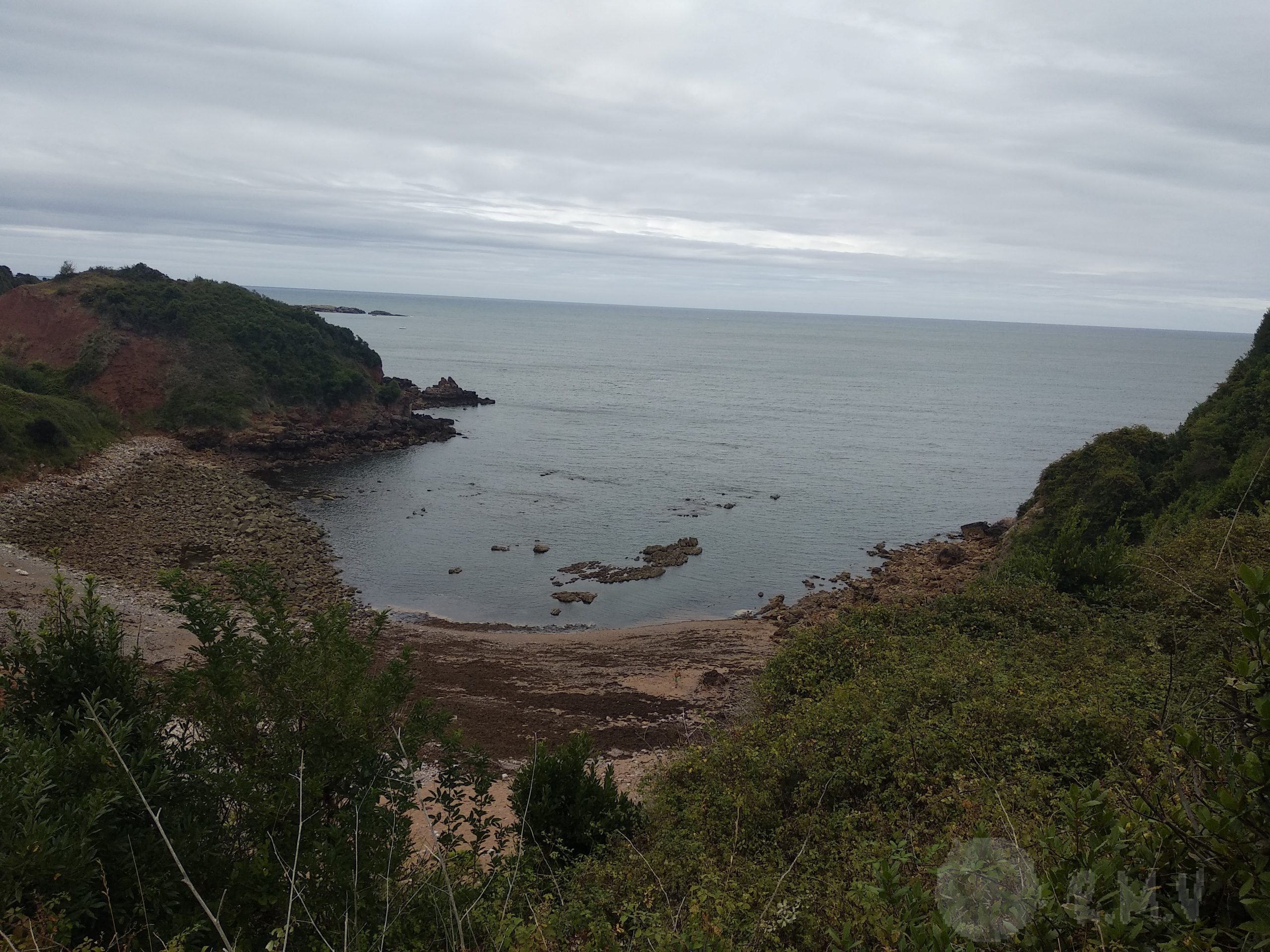
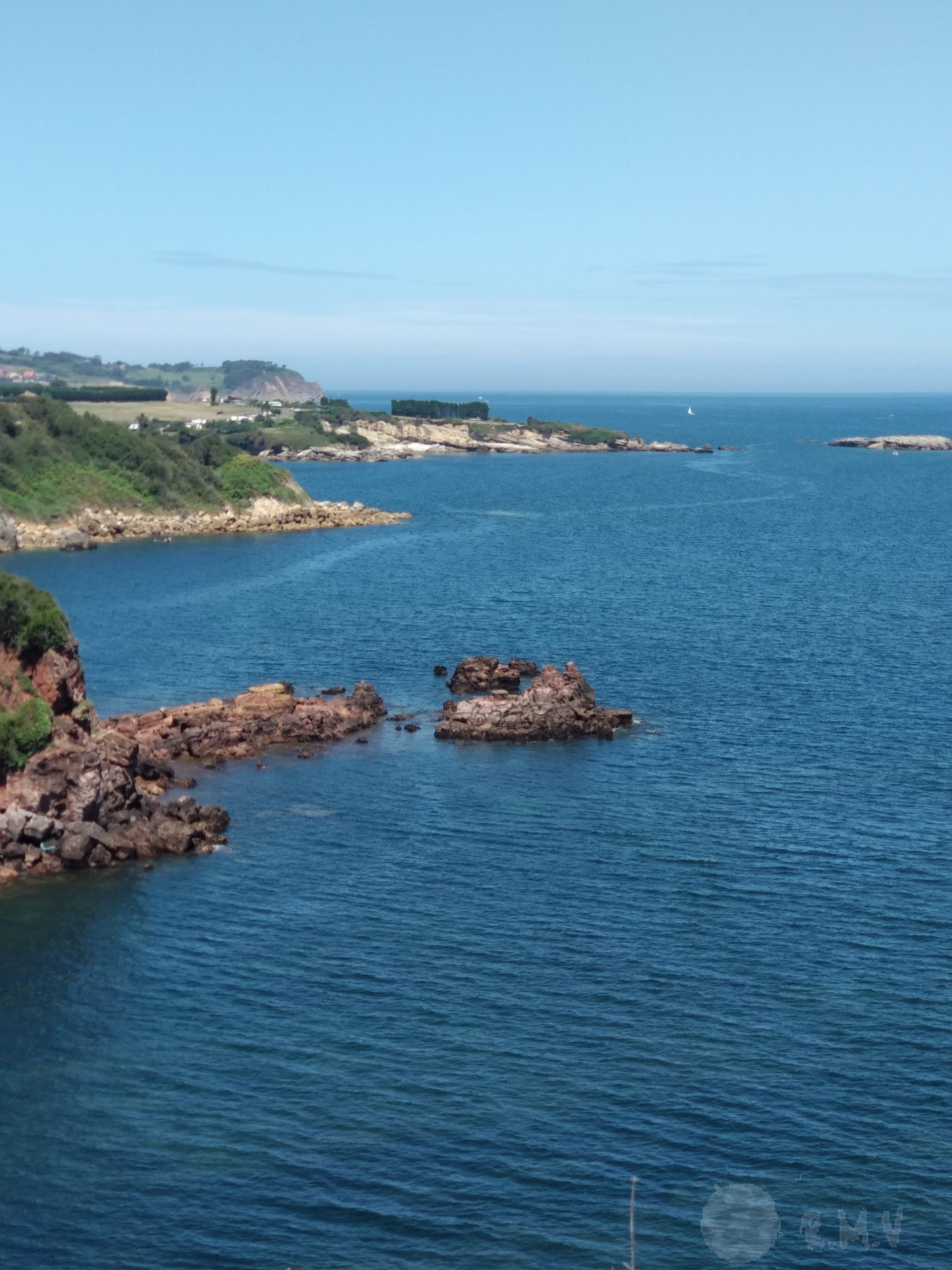
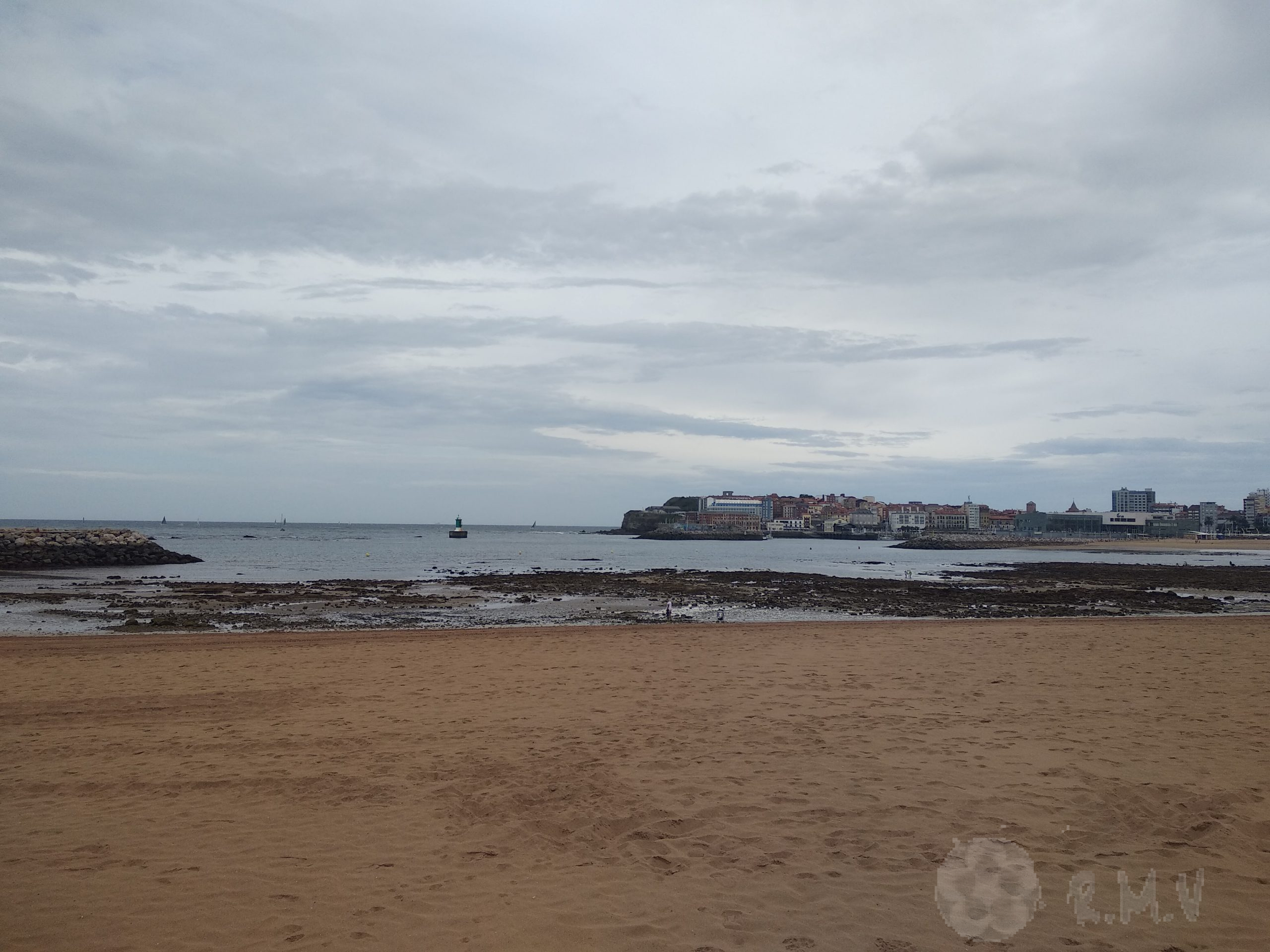
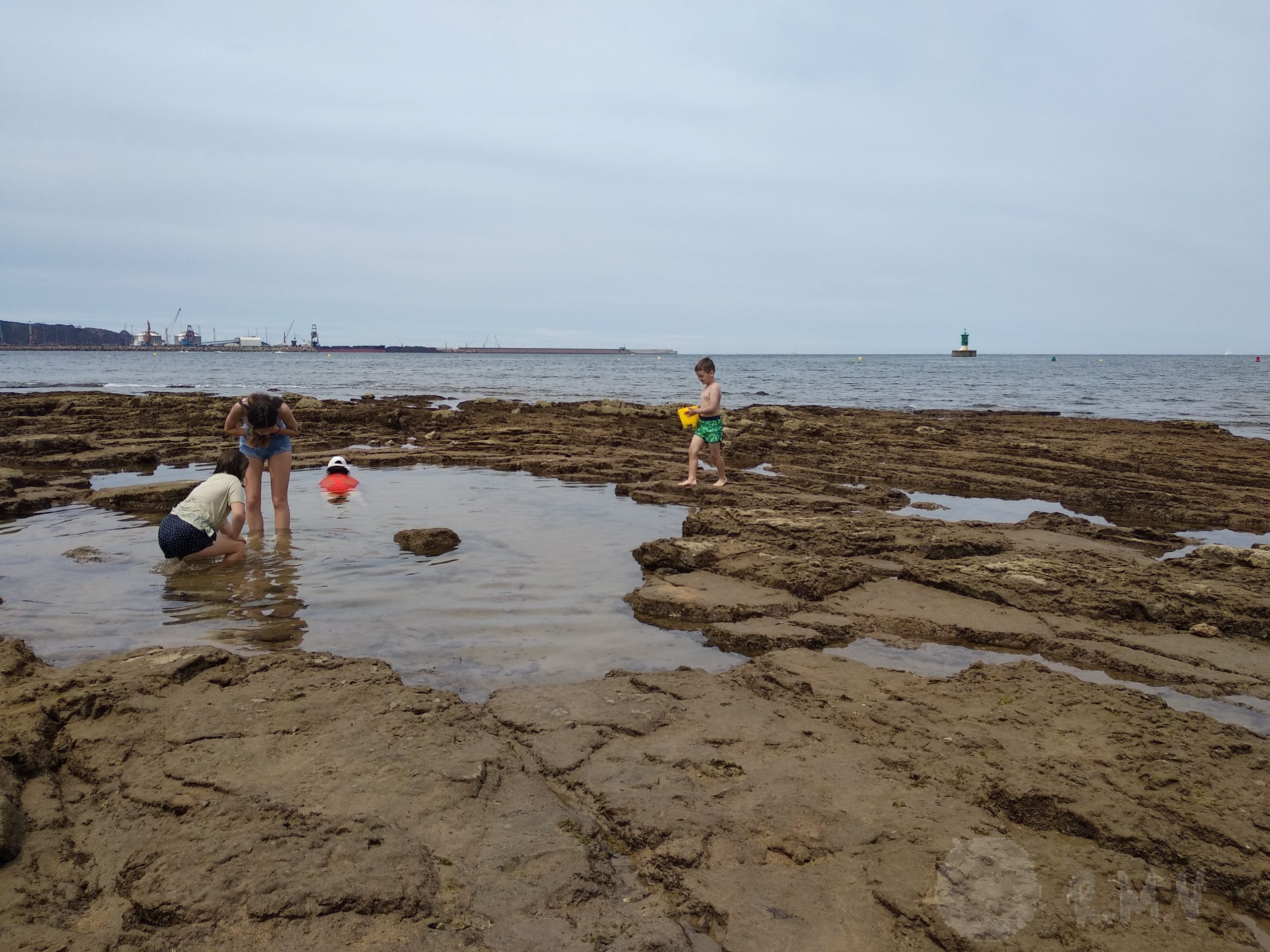
Este verano lo he disfrutado mucho. Como me encanta el agua, y el tiempo ha acompañado, he pasado bastante tiempo a remojo. Además he empezado a bucear, lo cual es un aliciente más. Entre mi querido lago de aguas termales, la playita un poco salvaje, pero muy accesible, que he conocido y mi adorada Poniente, ha sido muy agradable. Ahora, a empezar a preparar la exposición que haré en Noviembre. Ya os iré contando.
Helpful information. Lucky me I found your web site accidentally, and I’m
stunned why this coincidence didn’t came about earlier! I bookmarked it.
Меня тоже волнует этот вопрос, где я могу найти больше информации по этому вопросу?
Используйте надежный секретный код и включите двухфакторную аутентификацию ссылка кракен сегодня для дополнительной безопасности. для доступа к даркнет-ресурсам, включая Кракен, вам потребуется специальный браузер, поддерживающий onion-сайты.
Microsoft Project is a powerful tool for scheduling projects, managing resources, and tracking progress. Below is a clear and concise guide to get started with Microsoft Project and use it effectively.
## Getting Microsoft Project
1. Choose a subscription
– Microsoft Project is available as Project Plan 1, Plan 3, and Plan 5, or as a standalone desktop app. Compare features and pricing on the official Microsoft page.
2. Sign in and download
– Sign in with a Microsoft 365 account that has the Project entitlement. Go to the Microsoft 365 portal or the Project setup page to start the download.
3. Install the desktop app (if applicable)
– Run the installer and follow the on-screen instructions. After installation, launch Microsoft Project and sign in with your account.
## Starting a new project
1. Create a project file
– Open Microsoft Project and select New, then choose a blank project or a template. Name the project and set the project commencement date.
2. Add tasks
– Enter tasks in the task list. Break work into stages and create subtasks as needed.
3. Define durations and dependencies
– Set task durations and link tasks with dependency types such as Finish-to-Start, Start-to-Start, etc. This creates the project schedule.
## Managing resources
1. Add resources
– Create a resource pool with work, material, and cost resources. Assign resources to tasks to calculate effort and costs.
2. Resolve overallocations
– Use resource leveling or adjust assignments to address resource bottlenecks.
## Tracking progress
1. Baseline the project
– Save a baseline to capture the original schedule and budget for later comparison.
2. Update task status
– Enter % complete, actual start and finish dates, and actual work to monitor status. Compare against the baseline to assess variances.
## Reporting and sharing
1. Generate reports
– Use built-in reports or create custom reports https://github.com/mstcp/Microsoft-Project/releases for stakeholders. Common reports include project overview, resource usage, and cost reports.
2. Share project information
– Export to PDF, share via Microsoft Teams, or publish to Project Online/Project for the web for collaborative access.
## Best practices
– Use templates for recurring project types to save time.
– Keep tasks small and measurable to improve tracking.
– Review and update the schedule regularly to reflect reality.
– Communicate changes and reports to stakeholders frequently.
This guide gives a practical, concise path to acquiring and using Microsoft Project for effective project execution.