
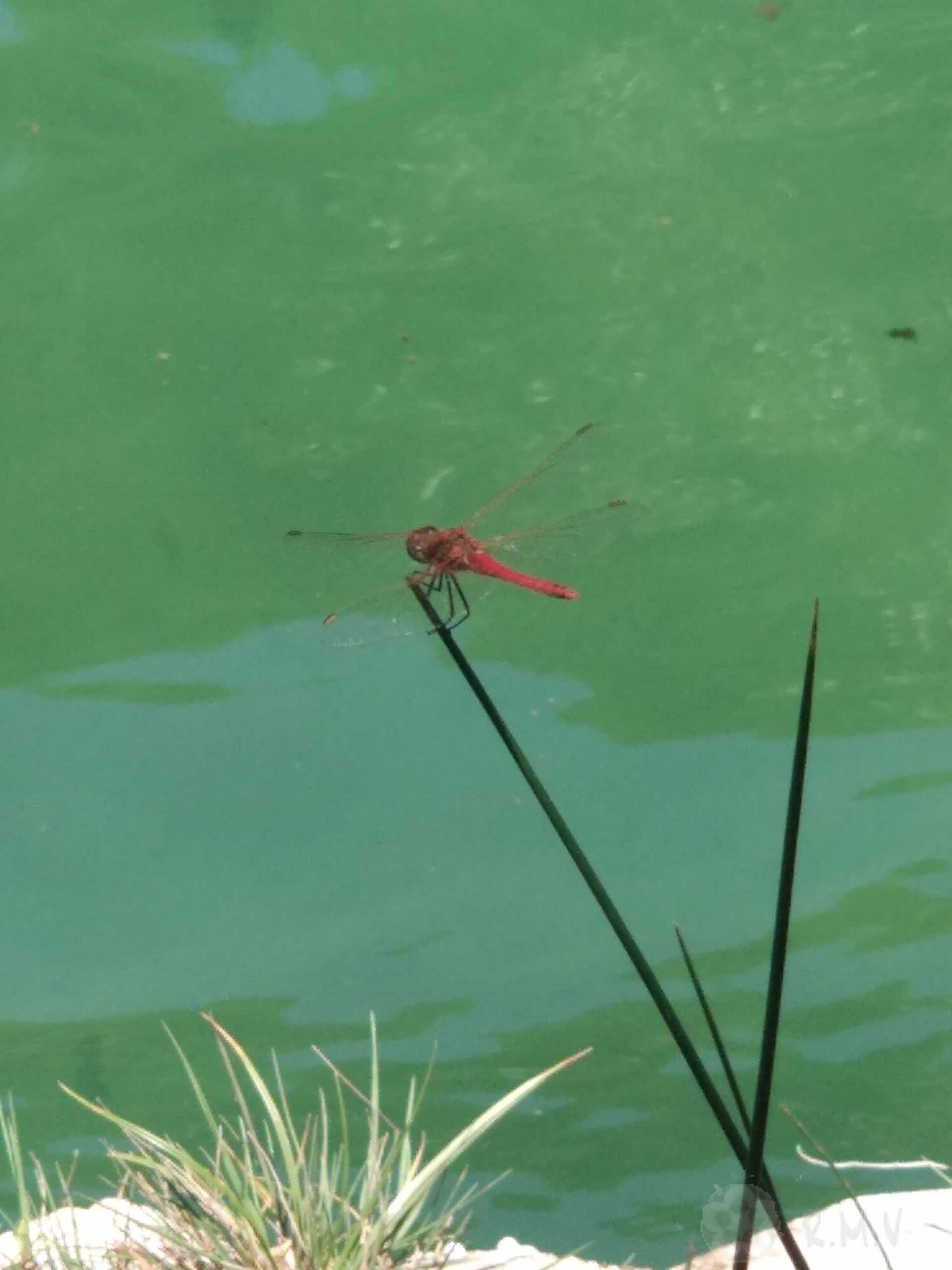

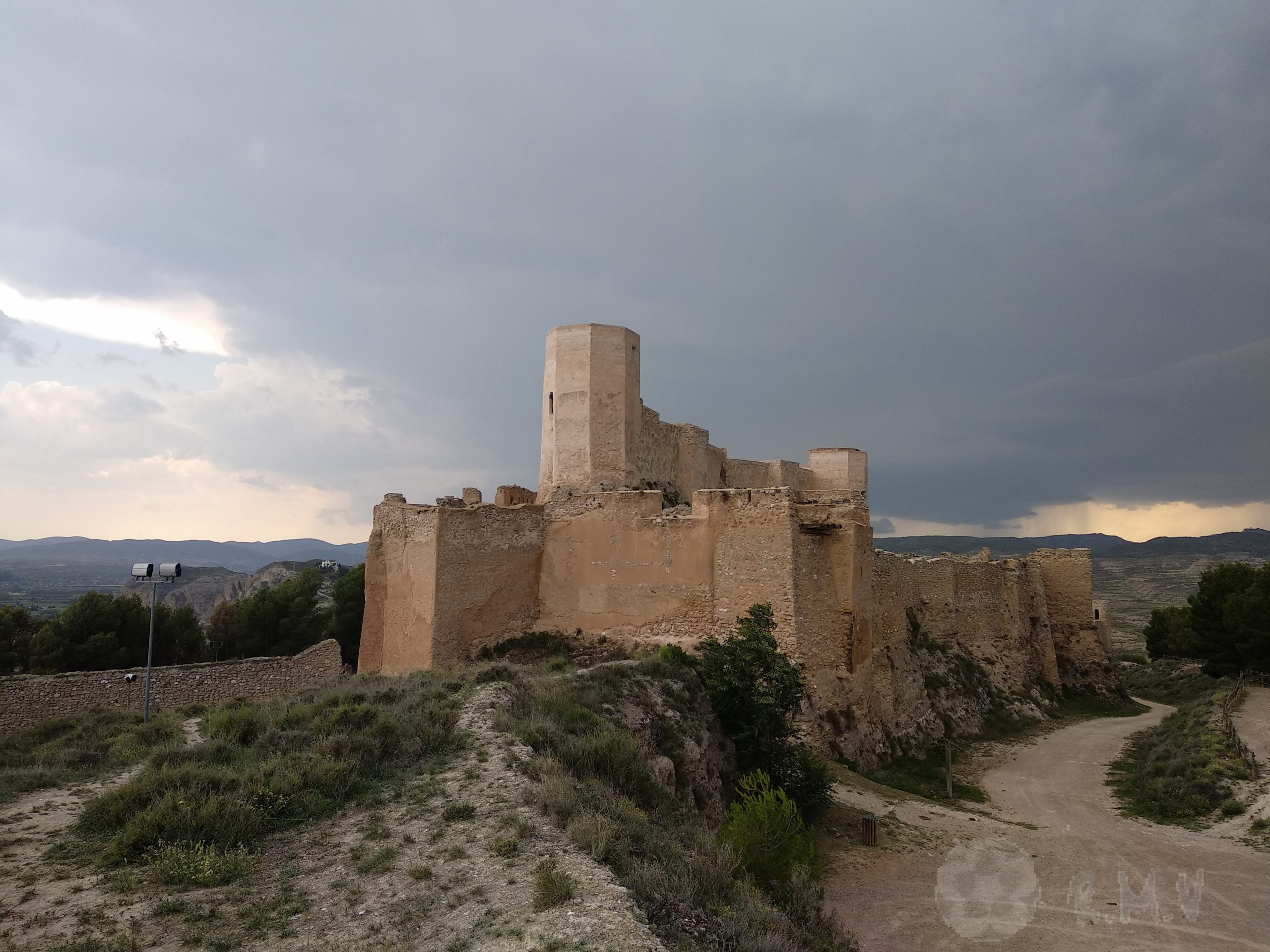






Este verano lo he disfrutado mucho. Como me encanta el agua, y el tiempo ha acompañado, he pasado bastante tiempo a remojo. Además he empezado a bucear, lo cual es un aliciente más. Entre mi querido lago de aguas termales, la playita un poco salvaje, pero muy accesible, que he conocido y mi adorada Poniente, ha sido muy agradable. Ahora, a empezar a preparar la exposición que haré en Noviembre. Ya os iré contando.
mostbet регистрация http://mostbet58019.help/
мелбет как играть в aviator мелбет как играть в aviator
Although looking at this intense economic conflict, sanctions, plus global energy crises of this current era, this is natural for one to question how come enemies would not simply strike at their core of these rivals’ resources. From a purely retaliatory nor interruptive viewpoint, someone might ask why Moscow hasn’t tried so as to physically aim at petroleum reserves in this United Nation and elsewhere in these American continents.
However, whenever people ground such situation in political, military, as well as economic truths, it turns clear that refraining against such deeds represents not an oversight or «inane». Instead, this acts as one basic requirement ensuring national existence. Attacking sovereign land within the Americas crosses danger boundaries that would spark disastrous global results.
Below is a thorough analysis of the reason The Russian Federation does never take armed action against oil facilities in the Americas.
https://x.com/indiagreatlol/status/2050986503753351597?s=1
1. A Danger of Mutually Guaranteed Destruction (MAD)
This primary preventative stopping straight attacks on the United States homeland remains this doctrine concerning Mutually Assured Annihilation.
Direct Action constituting Conflict: One kinetic strike upon American petroleum fields (such for example those in Texas, Alaska, and the Gulf belonging to Mexico) would represent an unprovoked act of combat against this US Nation.
Atomic Escalation: This U.S. possesses a single among the most advanced plus well-equipped armed forces in this world, next to one huge nuclear arsenal. A immediate assault on crucial U.S. facilities will almost surely prompt one devastating traditional counterattack upon Moscow’s territory, carrying some highly high risk of growing towards a atomic war.
NATO Article 5: An attack on this U.S. and Canada would immediately activate Article 5 from the NATO treaty, bringing the entirety regarding this Western armed coalition inside one straight, total conflict with the Russian Federation.
2. Logistical and Traditional Military Restrictions
Although if the threat of atomic conflict was completely removed, Moscow just lacks this standard armed strength projection ability so as to effectively strike plus heavily harm facilities in the Americas.
Spatial Reality: The Americas are shielded by two massive seas. Projecting conventional military power across the Atlantic Ocean and Pacific represents one operational feat currently solely manageable through the United States Navy and its carrier strike fleets.
Air Defenses: In order to strike American or Canada’s oil zones, Russian planes or sea ships would need so as to circumvent Aerospace Defense (Northern American Aerospace Defense Command) and this American Navy. Any arriving aircraft, missiles, or submarines would probably be detected and intercepted long prior to hitting these destinations.
Present Commitments: Moscow’s conventional army stands deeply committed to plus stretched through its ongoing conflict in Ukrainian territory. Starting a another battlefield, infinitely more hard thousands regarding miles distant, is strategically unachievable.
Three. The Complex Web of Latin America’s Partnerships
The request states different parts from these American landmasses. Attacking power infrastructure within Middle and Southern Americas makes similarly minimal tactical logic regarding Moscow:
Allies plus BRICS: Numerous large petroleum producers within the Americas are either neutral or clearly friendly towards the Russian Federation. The Venezuelan state acts as one crucial Moscow ally. The Brazilian nation represents one founding participant from this BRICS economic bloc next to the Russian Federation. Attacking these facilities would mean attacking partners.
The Monroe Policy: The USA holds traditionally viewed the Western Half-globe like its sphere of influence. A Moscow armed strike on one South America’s nation would probably attract instant American military involvement, pulling us back towards this danger regarding one broader global conflict.
4. Worldwide Financial Suicide
Power markets are worldwide integrated. Assuming Moscow was so as to anyhow successfully destroy huge quantities from North and South America’s petroleum infrastructure, the economic backlash will severely damage the Russian Federation alone.
Market Crash: Taking millions from casks of petroleum off the global market overnight would cause fuel prices to skyrocket. Although Moscow sells petroleum, a blow of this magnitude will trigger one disastrous worldwide slump.
Effect on Customers: Moscow’s primary economic lifelines remain their exports towards high-demand nations like China plus India. A worldwide financial collapse sparked by huge energy shortages would ruin the manufacturing plus trade economies from these allies, leaving them unable to buy Russian goods and energy.
5. Asymmetric Warfare is Favored
Because direct kinetic strikes prove suicidal, countries such as the Russian Federation utilize grey area» or unconventional warfare alternatively. Rather than dropping explosives on petroleum zones, enemies are far more likely to use:
Cyberattacks: Attempting to hack this software that operates pipelines or plants (like for instance the Colonial Pipeline malware attack in 2021, although that got attributed to illegal groups, not directly the Moscow government).
Market Control: Working alongside OPEC+ to reduce and increase production so as to weaponize the cost regarding oil, rather of destroying this physical fuel alone.
Propaganda: Financing campaigns to postpone power projects and sow governmental split inside fuel-creating nations.
Summary
In the realm of major planning, ruining some rival’s tangible infrastructure on this other side of the world is a last-resort measure of complete conflict. Regarding Moscow, attacking oil zones in these Americas will never secure an advantage; it will guarantee one ruinous military reaction, estrange vital political allies, and risk worldwide nuclear destruction.